Elena Richter · 10 October 2026
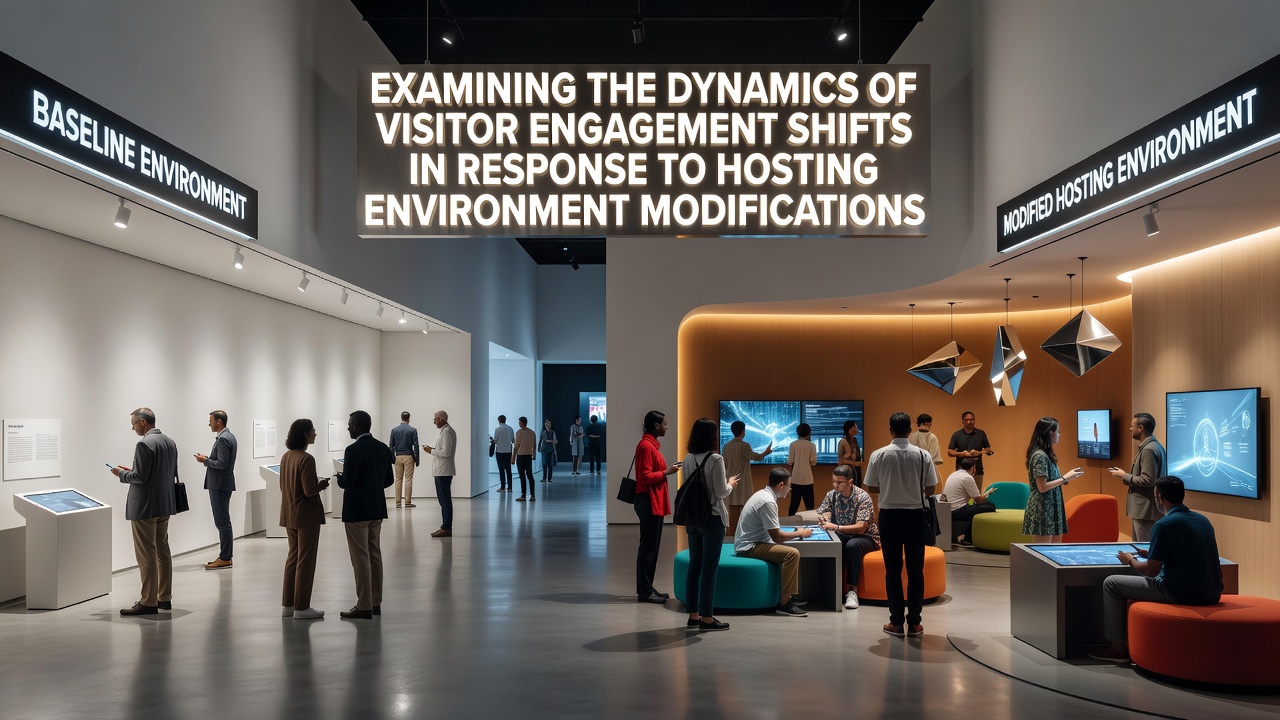
Examining the Dynamics of Visitor Engagement Shifts in Response to Hosting Environment Modifications
Hosting environment modifications encompass server migrations, content delivery network implementations, data center relocations, and infrastructure upgrades that alter how websites deliver content to users, and these changes often produce measurable impacts on visitor engagement patterns such as bounce rates, average session durations, and page view counts. Researchers track these shifts through analytics platforms that record performance indicators before and after the modifications take effect, revealing correlations between technical adjustments and behavioral responses across different site categories. Data from multiple industry reports shows that even minor alterations in server response times can trigger noticeable variations in how long visitors remain on pages or how deeply they explore site sections.
Core Components of Hosting Environment Changes
Server configuration updates, cloud provider switches, and geographic distribution of hosting resources form the primary elements that influence site performance, while factors like caching mechanisms and security protocols add layers of complexity to the overall environment. Observers note that when organizations transition to providers with lower latency connections or enhanced scalability features, engagement metrics frequently stabilize or improve over subsequent weeks as indexing systems and user habits adjust accordingly. Studies conducted through academic institutions have documented cases where data center proximity to target audiences reduced load times by several hundred milliseconds, leading to corresponding upticks in return visit frequency according to aggregated web analytics datasets.
Measurement Frameworks and Key Indicators
Analytics tools capture core indicators including time to first byte, full page load completion, and interaction readiness signals that together paint a picture of engagement dynamics following hosting adjustments. Those who monitor these metrics across large sample sets find that engagement often dips temporarily during the transition period before recovering or exceeding baseline levels once stability returns, and this pattern holds across e-commerce platforms, informational sites, and media outlets alike. Figures from performance monitoring services reveal that sites implementing edge caching solutions experienced average session length increases of up to 15 percent within the first month post-modification in controlled comparisons.
But here's the thing: not every modification produces uniform results because audience demographics, device distributions, and content types interact with the new hosting parameters in distinct ways. Researchers discovered through longitudinal tracking that mobile-heavy traffic segments respond more sensitively to latency reductions than desktop users, creating segmented engagement curves that require separate analysis for accurate interpretation. In October 2026, reports from digital infrastructure observatories highlighted a wave of migrations toward hybrid cloud setups that coincided with broader shifts in visitor retention data across monitored domains.

Documented Patterns from Performance Studies
Academic examinations of hosting transitions indicate that reliability improvements, such as reduced downtime incidents, correlate strongly with sustained visitor return rates over multi-month observation windows. One study revealed that organizations adopting distributed hosting architectures saw measurable declines in exit rates on resource-intensive pages, particularly when those pages involved dynamic content generation. What's interesting is how these outcomes vary by region, with data from North American and European traffic sources showing faster stabilization compared to some Asia-Pacific markets where network routing differences play larger roles.
Turns out the integration of security enhancements during hosting modifications can also influence engagement, since visitors may perceive faster or more stable sessions as more trustworthy even without explicit awareness of the underlying changes. Evidence from aggregated industry datasets points to lower abandonment rates on sites that combined hosting upgrades with transport layer security optimizations, though isolating the exact contribution of each element requires careful experimental design. People who've examined these interactions often discover that the combined effects exceed what either factor produces in isolation.
External Variables Affecting Outcomes
Search engine indexing behaviors, seasonal traffic fluctuations, and concurrent marketing campaigns introduce additional variables that complicate direct attribution of engagement shifts solely to hosting modifications. Analysts account for these elements by establishing control periods and using statistical modeling to isolate hosting-related signals from background noise. According to findings published by research teams at technical universities, sites undergoing hosting changes during low-traffic periods exhibited cleaner metric transitions than those timed with major promotional events.
Yet the reality remains that comprehensive monitoring across multiple data points provides the clearest view of how modifications ripple through visitor behavior, and organizations that maintain consistent measurement protocols capture more reliable trend information. Links to performance benchmarks from sources such as NTIA broadband studies and university-led web performance papers help contextualize individual site results against broader industry movements. The ball's in the court of site operators to align hosting strategies with observed engagement responses for sustained operational effectiveness.
Conclusion
Hosting environment modifications continue to serve as significant levers for visitor engagement dynamics, with data consistently demonstrating connections between technical infrastructure choices and behavioral metrics across diverse online properties. Ongoing monitoring and analysis of these relationships enable precise adjustments that support stable or improved engagement levels over time. As infrastructure options evolve, the patterns observed through October 2026 and beyond offer reference points for understanding future transitions and their measurable effects on user interactions.